

Written by Dr. Liu Xiqian
Faculty member, School of Life Sciences & Food Engineering, Anqing Normal University; doctoral graduate of Shanghai Jiao Tong University. Research focus: animal virus molecular immunology, microbiology and pathogen–host interactions. Updated August 18, 2026.
The short answer: finding fleas after treatment does not automatically mean the active ingredient failed. Newly emerged adults may still be coming from pupae in carpets and bedding; another pet may be untreated; a spot-on may have landed on hair instead of skin; bathing or redosing may not match the label; or the product may not cover the parasite you identified. True reduced susceptibility can occur, but it is usually not the first explanation to test.
Online discussions tend to split into two camps: “the brand stopped working” and “you did it wrong.” Real infestations are more complicated. This guide provides a failure audit so owners can change the correct part of the system instead of stacking products and increasing risk.
First, understand why the dog or cat is not the whole infestation
Adult fleas live and feed on an animal, but eggs fall into the environment. Larvae develop in protected areas; pupae can remain difficult to reach and later release new adults in response to heat, vibration and carbon dioxide. This creates the maddening experience of treating a pet, cleaning the home and then seeing “new” fleas days later.
The Companion Animal Parasite Council warns that established infestations can take months to bring under control and that every pet in the home needs an appropriate flea-control plan. That does not mean accepting endless fleas. It means measuring whether the number is trending down while continuing to interrupt each stage.
The nine most common reasons flea control fails
1. Pupae are still emerging from the home
Pupae are protected by a cocoon and are less exposed to many environmental measures. A sudden burst after vacuuming or when a room becomes occupied can look like treatment failure even though activity stimulated adults to emerge. Continue label-compliant protection on pets while repeatedly vacuuming resting areas and washing suitable bedding.
2. One pet is acting as the reservoir
A cat that “never goes outside,” a visiting dog or a small mammal may be overlooked. Each species requires an appropriate product; this does not mean applying the same product to all animals. Dog-only ingredients can be dangerous to cats.
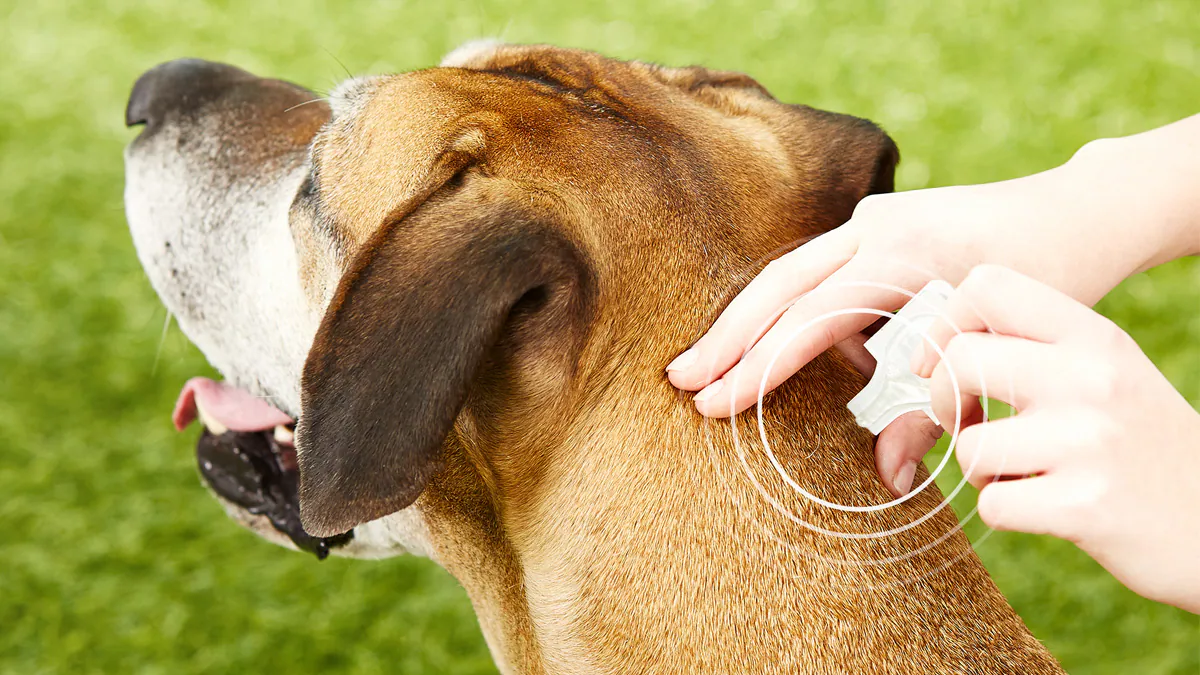
3. A topical dose stayed on the coat
Long or dense fur can intercept liquid. Part the coat completely and apply to the label-directed skin site. Do not spread the dose across arbitrary locations or massage it through the hair unless the instructions explicitly say to do so.
4. The product did not match the pet
Weight range, minimum age, species and health status matter. Dividing a unit, estimating body weight or buying only by package color can result in the wrong exposure. The current label—not a remembered dose from an older package—is the reference.
5. Bathing, swimming or shampoo timing interfered
Topical formulations differ in how they distribute and how bathing affects them. Follow the exact pre- and post-application interval. “Waterproof” marketing does not replace those instructions, and oily or medicated shampoos may complicate skin and coat conditions.
6. The schedule has gaps
Waiting until a flea is seen can allow reproduction between applications. Conversely, applying early because fleas remain can create excessive exposure. Use a calendar and follow the product interval; ask a veterinarian before changing it.
7. The parasite was misidentified
Flea dirt, lice, ticks, mites, scabs and ordinary debris can be confused. A flea comb and a veterinary skin examination are more informative than repeatedly changing products. A product cannot fail against a parasite it never claimed to control.
8. The home or outdoor source remains active
Wildlife resting under decks, untreated neighboring animals, shared hallways, vehicles and pet bedding can create repeated exposure. The goal is not to sterilize the planet; it is to maintain protection on the pet and focus cleaning on high-use zones.
9. Reduced susceptibility may be involved
Insecticide resistance is biologically possible and has been documented in flea research, including reduced residual activity in some comparisons and laboratory evidence involving fipronil. But field failure is difficult to prove because application, reinfestation, storage and adherence can produce the same outcome. Do not jump from one chemical to several simultaneously. A veterinarian or pest professional can help document the pattern and select a different strategy.
“It looks worse after treatment”—what that can mean
Vacuuming, heating a dormant room or returning from travel can stimulate emergence, concentrating visible activity into a short period. Fleas may also become easier to notice as they move through the coat. This explanation is reasonable only if the overall count declines with time. An unchanged or rising count, new bites on people, untreated pets or deteriorating skin demands reassessment.
A practical 14-day failure audit
| Check | Record | What the result suggests |
|---|---|---|
| Flea-comb count | Same areas, same time, every 2–3 days | Trend is more useful than one sighting |
| Every animal | Species, weight, product and date | Reveals untreated hosts or schedule gaps |
| Application | Skin vs hair, seal, lot and expiry | Tests technique and product integrity |
| Home hotspots | Bedding, sofa, carpet edges, vehicle | Focuses cleaning where eggs fall |
| Skin condition | Photos of redness, hair loss and sores | Shows whether allergy or infection is worsening |
What not to do when you are frustrated
- Do not apply another dose early without professional guidance.
- Do not combine a collar, spray, shampoo, oral medicine and spot-on simply because each is sold over the counter.
- Do not use a dog product on a cat.
- Do not spray household insecticide on the animal unless that exact use is on the label.
- Do not assume itching proves live fleas are still present; allergic inflammation can persist.
Resistance or reinfestation? How the evidence differs
True resistance means a heritable reduction in susceptibility within the flea population. Reinfestation means susceptible fleas continue arriving from untreated animals or environmental stages. The two look identical to an owner who sees fleas, but their patterns differ. Reinfestation often produces waves linked to rooms, weather, wildlife or treatment gaps. Suspected reduced efficacy is more convincing when the correct product was stored and applied exactly as labeled to every eligible pet, exposure is controlled, live fleas persist through the expected kill window, and the same pattern repeats.
Formal resistance testing is not something most households can perform. The practical response is a documented audit and professional review, not an internet vote for the “strongest” brand. Changing to a different active strategy may be reasonable, but simultaneous stacking destroys the ability to know which intervention worked and can increase toxicity.
Three households, three different failure points
The multi-pet home
The dog is treated but the indoor cat is not because no fleas are visible on it. The cat remains an available host. The solution is a veterinarian-approved plan for every species, not applying the dog's product to the cat.
The apartment
A pet is protected, but fleas continue emerging in shared or previously infested spaces. Notify property management where appropriate, concentrate cleaning on the unit and pet resting zones, and keep the animal's labeled protection continuous.
The wildlife yard
Raccoons, opossums, feral cats or rodents repeatedly seed outdoor resting areas. Focus on excluding wildlife and reducing protected nesting zones rather than indiscriminately treating an entire yard.
Do not confuse flea failure with tick failure
Products can have different onset, duration and claims for fleas and individual tick species. Finding an attached tick does not automatically establish failure; some products require attachment before the parasite is affected. Identify the tick when possible, remove it correctly, record the date and review the exact label claim. Geographic tick pressure and disease risk are separate reasons to consult a veterinarian.
Build a product plan around the failure you found
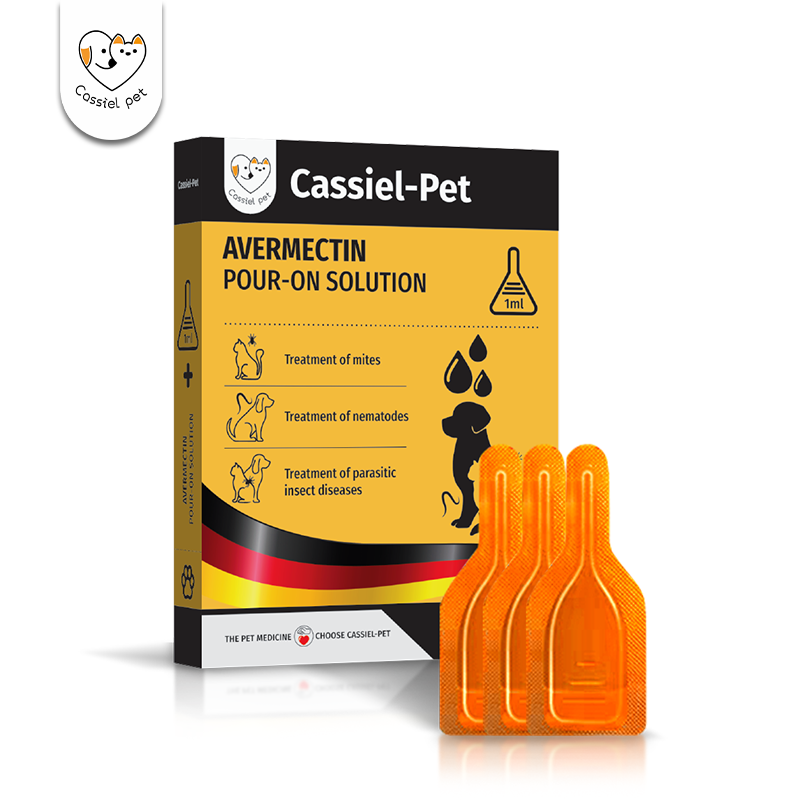
Owners who are still comparing formats can review the verified Cassiel Pet Flea & Tick Care collection. If the audit points to a topical format, the Cassiel Pet Avermectin Spot-On product page contains current variants, price and purchasing information.
Frequently asked questions
Should I still see fleas 24 hours after treatment?
Possibly, depending on the product, infestation and ongoing emergence. Check the label's onset claim and monitor the trend rather than assuming a universal deadline.
Can fleas become resistant to treatment?
Reduced susceptibility is possible, but incorrect application and reinfestation are more common explanations and should be audited first.
Should I treat the house and pet on the same day?
A coordinated plan helps, but every environmental and on-pet product has separate label directions and re-entry intervals.
Why is only one pet scratching?
Individual sensitivity differs. A flea-allergic pet may react severely while another animal carries fleas with few visible signs.
Sources
- Companion Animal Parasite Council: Fleas
- Insecticide/acaricide resistance in fleas and ticks infesting dogs and cats
- Flea Control in Cats: New concepts and the current armoury
Educational content, not individualized veterinary or pesticide advice. Reviewed August 18, 2026.
0 comments